Most café owners obsess over coffee, equipment, and aesthetic — but overlook the workflow.
An espresso bar that looks beautiful but runs inefficiently can quietly drain thousands in wasted time, staff burnout, and lost sales every year.
Designing a café that works means thinking like both a barista and a business owner — creating a space where every movement counts, every station flows, and every task contributes to consistency and profit.
Why Bar Design Directly Impacts Profit Margins
If you want to improve café profit margins , start by improving the flow of your espresso bar.
An efficient setup allows baristas to move less, multitask better, and serve faster — all without compromising quality.
When your design supports productivity, you get:
- Shorter wait times and happier customers
- More drinks per hour (higher daily revenue)
- Less fatigue and fewer mistakes from your team
- Smoother collaboration between baristas and front-of-house
Think of your espresso bar as a profit engine: the more efficient it is, the more output you get from the same number of people.
Common Café Design Mistakes That Hurt Efficiency
Even the most beautiful café can suffer from poor design choices that slow everything down.
Here are some common (and costly) café workflow mistakes:
1. Poor Coffee Machine Placement
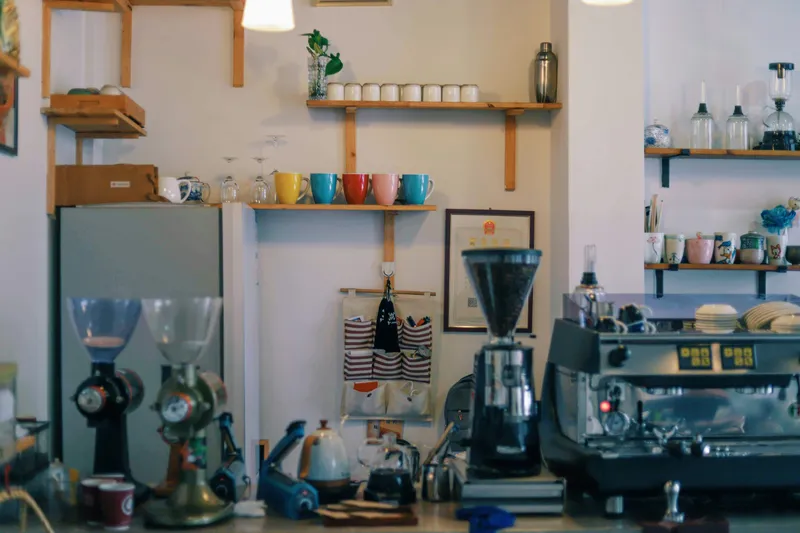
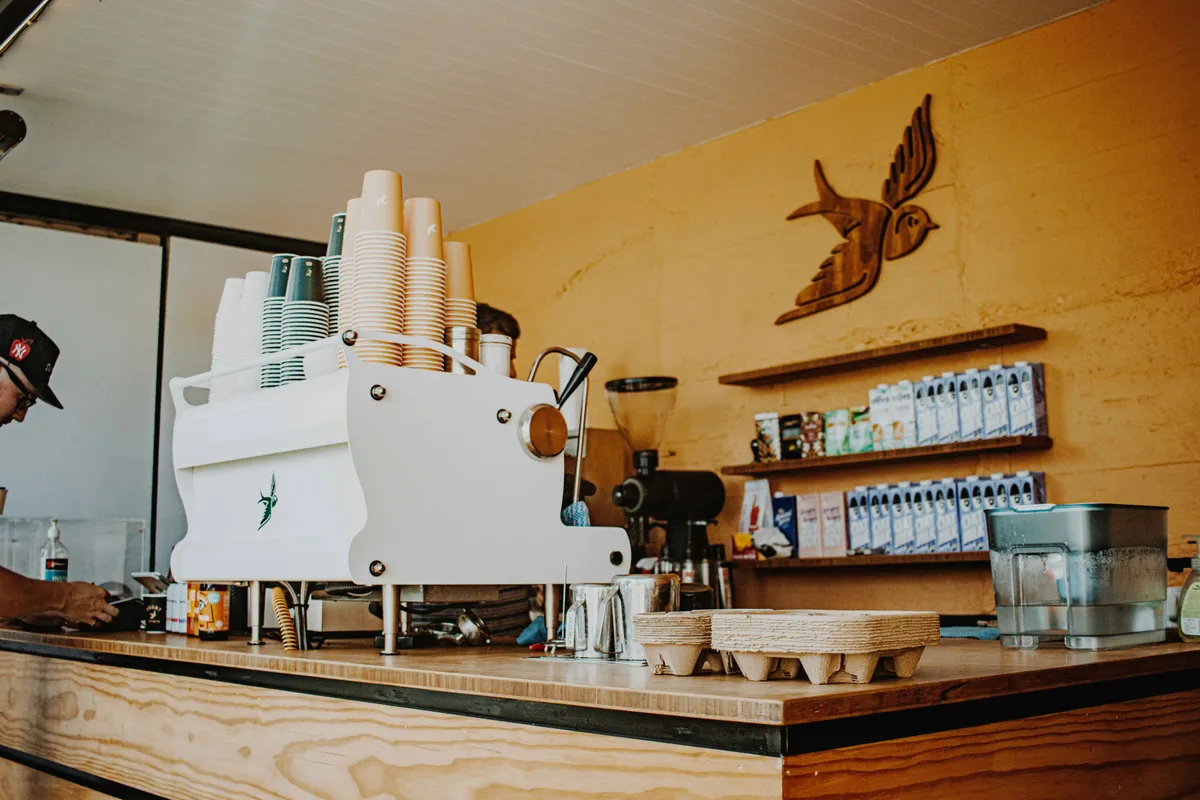
Your espresso machine shouldn’t be crammed against a wall or hidden behind clutter. Place it where baristas can move freely, engage with customers, and access everything they need without crossing paths.
2. Lack of Underbench Storage
Many cafés rely too much on open shelving. Instead, use underbench drawers for beans, tools, and brew gear — keeping your workspace clean and your workflow quick.
3. Inadequate Power Planning
It’s easy to underestimate your power requirements. Espresso machines, milk systems, grinders, and kettles can each draw significant load. Make sure your café’s electrical plan supports your full menu and future growth.
4. Ignoring the Barista’s Workflow
Every extra step a barista takes adds time and fatigue. Design your espresso bar layout around minimal movement — grinders near the machine, milk fridge within arm’s reach, and a clear path from order to handoff.
Efficient Café Layouts: Form Follows Function
The most successful specialty cafés start with one principle: workflow before design.
Your espresso bar layout should reflect how your team actually works — not just how it looks on Instagram.
When form follows function, you get a clean, minimal space that’s both beautiful and profitable.
Every touchpoint — from storage to lighting to counter height — contributes to smoother service, faster turnover, and better energy flow.
Building Café Systems That Support Consistency
Once your physical layout is dialed in, the next step is creating café management systems that keep everything running smoothly every day.
That includes:
- Opening and closing checklists
- Recipe documentation for every menu item
- Daily task lists for staff roles
- Maintenance and cleaning routines
Systems turn great design into great performance. They ensure your café runs consistently — even when you’re not there.
How Brewspace Helps You Run Your Café Like a System
Once your physical setup is efficient, your digital setup should be too.
Brewspace is the café management software designed for modern operators who want to scale consistency and profit.
With Brewspace, you can:
- Create digital checklists for daily operations
- Store and share standardized recipes
- Assign and track tasks for each shift
- Keep your entire café playbook in one place
Whether you’re running one shop or five, Brewspace helps you transform your café from reactive chaos into a smooth, repeatable system — where profit grows as easily as your coffee flows.
Ready to Improve Your Café’s Efficiency and Profit Margins?
Start your 14-day free trial of Brewspace today — and see how easy it is to build consistency, efficiency, and profit into your café’s daily routine.
Last updated: June 9, 2026